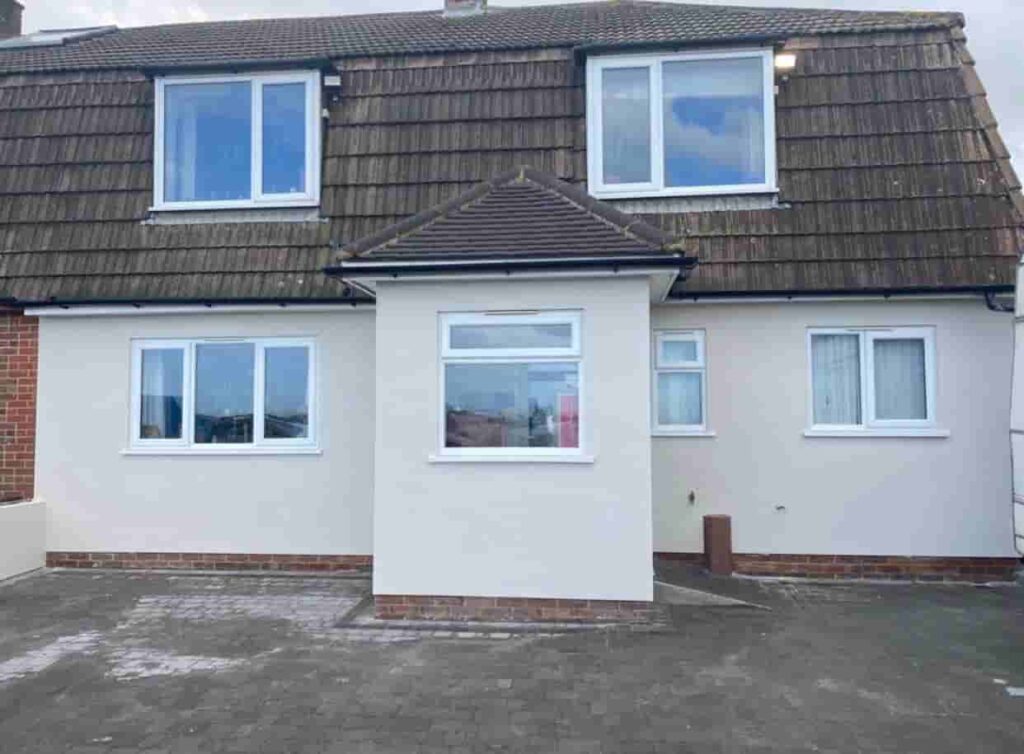
It is not always obvious when a roof needs repairing. Some problems, such as a missing tile or visible water entering the property, provide fairly clear warning signs. Others are much less noticeable and may develop gradually without causing immediate disruption inside the home.
For property owners in Carterton, Oxfordshire, knowing when to arrange a professional roof inspection can help prevent minor defects from developing into more extensive deterioration. Equally, not every sign of ageing means major roofing work is required. The important step is establishing whether the roof has an actual defect and understanding what attention it genuinely needs.
A Visible Leak Is a Clear Reason to Investigate
Water entering a property is one of the most recognisable signs of a roofing problem.
You may notice:
- Damp patches on ceilings
- New water staining
- Dripping during rainfall
- Dampness within the loft
- Moisture around roof timbers
Even a relatively small amount of water deserves investigation. The visible damp patch may not be directly beneath the external defect because water can travel beneath roofing materials before appearing internally.
Finding the actual entry point is therefore more important than simply treating the visible stain.
A Missing or Slipped Tile May Need Prompt Attention
Tiles and slates form an important part of the roof’s weather-resistant covering. When one becomes displaced, the layers beneath can be left more exposed.
A single slipped tile does not necessarily indicate widespread roof deterioration, but it can still justify a targeted repair.
From ground level, homeowners may notice an unexpected gap, an uneven row of tiles or a piece of roofing material on the ground following windy weather. These are useful reasons to have the affected section checked.
Cracked Tiles Can Be Easy to Overlook
A roof tile does not need to be completely broken to become less effective.
Cracks may allow moisture to reach areas beneath the covering, particularly during prolonged or wind-driven rainfall. Small defects can also worsen through continued weather exposure.
Where the surrounding roof remains sound, replacing individual damaged tiles may be all that is required.
The important point is dealing with the defect before repeated exposure affects additional roofing components.
Problems After Heavy Weather Are Worth Checking
Wind and heavy rain can expose weaknesses that were already developing within a roof.
Following severe weather, it is sensible to look for noticeable changes such as:
- Displaced tiles
- Missing roofing materials
- New internal damp
- Damaged ridge components
- Problems around roof edges
- Debris that appears to have come from the roof
You do not need to assume that every period of poor weather has damaged the roof. However, a visible change afterwards is worth investigating.
Changes Around Flashing Can Lead to Water Ingress
Some of the most vulnerable parts of a roof are the junctions where different surfaces meet.
Flashing helps protect these areas and direct water away. If it becomes loose, damaged or deteriorated, moisture may begin finding a route beneath the roofing system.
Because these defects are often localised, professional repair may restore the affected area without requiring unnecessary work elsewhere.
Ridge and Verge Problems Should Not Be Ignored
The ridge and edges of a pitched roof are particularly exposed to the weather.
Deterioration in these areas may become apparent through loose components, damaged materials or visible changes in alignment.
Even if there is no immediate internal leak, addressing developing defects can help prevent further movement and reduce the likelihood of surrounding areas becoming affected.
Repeated Repairs Can Signal a Wider Issue
Occasional roof repairs are normal, particularly as a roofing system ages.
The situation deserves closer attention when repairs begin occurring increasingly often.
Ask whether:
- Tiles are failing in several areas
- Leaks keep appearing in different locations
- New problems follow soon after previous repairs
- Large sections show visible deterioration
- Multiple roof details now require attention
This does not automatically mean the roof needs replacing. It does mean that assessing the entire roofing system may be more useful than continuing to consider every defect separately.
What If the Roof Looks Old but Does Not Leak?
Appearance alone does not determine whether a roof requires repair.
Roofing materials naturally weather over time. Discolouration and an aged appearance do not necessarily mean that the roof has stopped performing effectively.
Conversely, a roof that appears relatively tidy from ground level can still contain a localised defect.
Professional assessment should focus on condition and performance rather than appearance alone.
Damp Does Not Always Mean the Roof Is the Cause
If moisture appears inside a property, it is important to identify its source accurately.
Assuming every damp patch is caused by a roof leak can result in attention being directed towards the wrong area. A proper assessment helps determine whether water is actually entering through the roofing system and, if so, where.
This is one reason professional diagnosis is valuable before repair work begins.
The Condition Beneath the Roof Covering Matters
The tiles or slates are only the visible part of a roofing system.
Depending on the roof’s construction, the layers beneath may include underlay, battens, fixings and structural timber. A defect in the outer covering can eventually affect these components if water is allowed to enter repeatedly.
Professional roof repair should therefore consider whether the visible damage has affected anything underneath.
Catching a problem early may allow the repair to remain much more localised.
Is Every Small Defect Urgent?
Not every roofing issue represents an immediate emergency, but small defects should not simply be forgotten.
A minor problem may remain stable for some time, or it may worsen following further rainfall and wind. Without inspection, it can be difficult to know which is the case.
The sensible approach is to have suspicious defects assessed so that their significance can be understood.
This avoids both ignoring genuine problems and assuming that extensive work is required when it is not.
When Might Monitoring Be More Appropriate Than Repair?
There may be occasions where a roof shows normal signs of ageing without a specific defect requiring immediate work.
If the covering remains secure, weather protection is dependable and no active deterioration is identified, monitoring the roof may be sufficient.
Professional roofing advice should be proportionate. The purpose of an inspection is not simply to find work to carry out, but to establish what the roof actually requires.
Why Early Roof Repairs Can Be Valuable
The main advantage of dealing with a genuine defect promptly is that it can prevent the problem from spreading.
For example, replacing a damaged tile can restore protection before repeated rainfall affects the underlay or supporting materials. Repairing a vulnerable junction can stop water from continuing to enter surrounding areas.
Small, well-targeted repairs can therefore play an important role in preserving a serviceable roof.
When Does a Roof Need More Than a Small Repair?
A targeted repair is most appropriate when deterioration remains localised and the surrounding roofing system is in suitable condition.
More extensive attention may be required when there is:
- Widespread tile or slate deterioration
- Persistent water ingress
- Multiple failing roof areas
- Significant underlying deterioration
- Repeated defects across the roof
- Noticeable changes to the roof’s overall condition
The decision should be based on the extent of the problem rather than the presence of one isolated symptom.
Why Professional Roof Inspection Matters
Roofing problems can be difficult to diagnose accurately from ground level. The obvious defect may not be the only issue, while something that looks concerning may turn out to require relatively straightforward attention.
At LJ Roofing Carterton, we provide professional roofing services throughout Carterton, Oxfordshire. Our approach is to assess the condition of the affected area, identify the cause of the problem and determine what work is genuinely appropriate.
Where a local repair is sufficient, there should be no reason to treat a sound roof as though it requires extensive work. Where broader deterioration is identified, the wider condition can be considered before deciding on the appropriate solution.
Signs It Is Time to Arrange an Inspection
You should consider professional attention if you notice a meaningful change in the condition or performance of your roof.
Common reasons include new leaks, displaced materials, visible breakages, repeated defects or deterioration following severe weather.
Even where the problem turns out to be minor, identifying it early provides the opportunity to address it before surrounding roofing materials are affected.
Conclusion
Knowing whether a roof repair is really necessary comes down to understanding the difference between normal ageing and an active defect. A roof does not need repairing simply because it looks old, but leaks, damaged tiles, deteriorated flashing, displaced materials and recurring problems should not be ignored.
Professional assessment provides the clearest answer because it establishes the cause, extent and significance of the problem before work is recommended.
For property owners in Carterton, Oxfordshire, LJ Roofing Carterton provides professional roof inspections and repairs based on the actual condition of the roofing system. If you have noticed a change in your roof and are unsure whether it requires attention, arranging an assessment can help determine whether a targeted repair is needed and prevent a manageable defect from becoming a more extensive problem.
Call us on: 01993 463 479
Click here to find out more about LJ Roofing Carterton
Click here to complete our contact form and see how we can help with your roofing needs.